
Step Four: Branding is what sets you apart in every instance - consistent branding makes sure there is no mistaking your work.
Step Four: Branding is what sets you apart in every instance - consistent branding makes sure there is no mistaking your work.
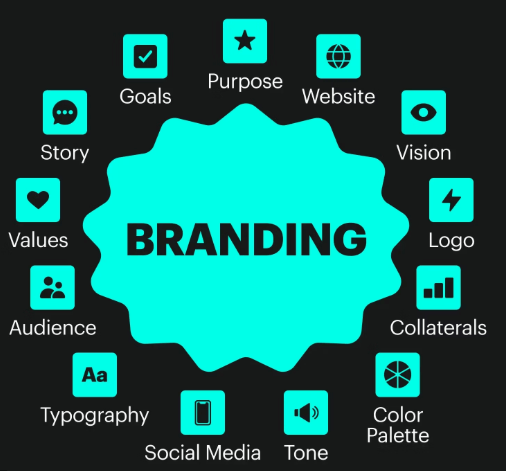
Branding is: the process of creating a unique identity and image for a company, product, or service in the minds of consumers.
It involves developing a brand's name, logo, design, and overall message to differentiate it from competitors and establish a lasting impression.
This E-book outlines the guidelines for maintaining a consistent brand identity across all social media platforms, the company website, and Google. Adhering to these guidelines will ensure a unified and recognizable brand presence, strengthening brand awareness and customer loyalty.
A Logo is a symbol or design that represents a brand or a company. It serves as a visual representation of the brand's values, identity, and personality.
Primary Logo: Use the primary logo in all official communications and on the company website.
Secondary Logo: The secondary logo can be used when the primary logo is not suitable due to space constraints or design considerations.
Clear Space: Maintain a clear space around the logo, free of any other elements, to ensure visibility and impact. The clear space should be equal to at least half the height of the logo.
Incorrect Usage: Do not stretch, skew, rotate, or alter the logo in any way. Always use the provided logo files.
Differentiation:
In a crowded marketplace, a brand's character helps it to stand out from competitors and differentiate itself in the minds of consumers. By establishing a unique personality and set of values, a brand can create a distinctive identity that sets it apart from others in the same industry.
Emotional Connection:
A strong brand character can help to build an emotional connection with customers. By communicating a brand's personality and values, it becomes easier for customers to identify with the brand and feel a sense of loyalty and attachment.
Consistency:
A well-defined brand character ensures that a brand's messaging and visual identity are consistent across all touchpoints. This consistency helps to build brand recognition and reinforces the brand's identity in the minds of customers.
Trust & Credibility
A brand character that is consistent with the brand's values and messaging can help to build trust and credibility with customers. When a brand is perceived as authentic and genuine, customers are more likely to trust it and feel confident in their purchase decisions.
Brand Extension:
A strong brand character can also facilitate brand extension into new product categories or markets. When a brand has a well- defined identity, it becomes easier to extend that identity to new products or markets, while still maintaining consistency and a strong image.
Personality
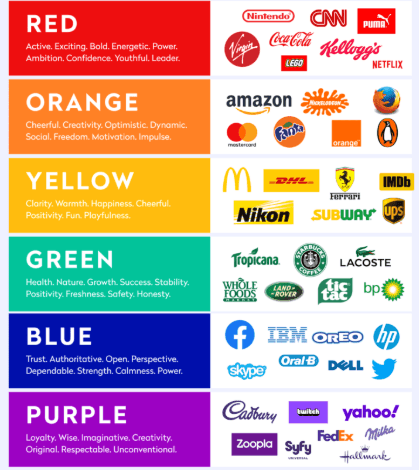
A brand's personality is the set of human characteristics and traits that are associated with it. These traits can include things like friendly, confident, adventurous, or sophisticated, and are often communicated through the brand's messaging and visual identity.
Imagery
Authentic: Use real photos and videos that represent our brand values and culture.
High-Quality: Use high-resolution images and videos that are well-lit and visually appealing.
Consistent: Maintain a consistent style in terms of color grading, composition, and subject matter.
Relevant: Ensure that all imagery is relevant to the content and target audience.
Values:
the guiding principles that shape decision- making. These values can include things like honesty, integrity, innovation, or social responsibility, and are often communicated through the brand's mission statement or social responsibility initiatives.
Position:
Your brand position is how you differentiate yourself from the competition you need to clearly articulate why your brand is unique and better than other options out there. This requires understanding your audience, knowing your competition, and identifying the key attributes that make your brand unique.
Story, Mission, Purpose:
A brand's story is the narrative that communicates its history and mission to its target audience. A compelling brand story can help to build an emotional connection with customers and reinforce the brand's character. Your brand purpose plays a big role here. This is the reason your business exists. It's the "why" behind what you do. Focus on how your business can make a positive impact in the world. Defining this will help you connect with your audience on a deeper level. You can then use storytelling in your marketing campaigns, social media posts, and other content to create a unique and engaging status.
You must keep the attention of everyone watching and it starts with branding!
Mark Smith
Now that we have your branding set up - on to
All my links!
Links to the stuff that makes you money!!


© Created with systeme.io